Address the underlying factors of cognitive decline with holistic dementia rehab in Newcastle.
Noticing signs of memory loss or impaired thinking? Our evidence-based cognitive rehabilitation for dementia aims to support mental, emotional and physical functioning for a better quality of life.
Discover fully-integrated neurocognitive therapy for people living with dementia. Instead of responding to surface-level symptoms, our research-backed rehabilitation program focuses on the key drivers of cognitive decline.
Harnessing your brain’s ability to adapt, we combine multiple modalities, including Functional Neurology, Functional Medicine, Low-Level Laser Therapy, Clinical Nutrition, and Strength Training, to guide positive change that builds on itself over time.
Functional neurology
Strengthen brain and body communication with neuroscience-based therapy for dementia. Functional neurology targets nervous system imbalances to support control, coordination, and cognition over time.
Managing factors like hypertension, obesity, and hearing loss has been shown to reduce dementia risk.¹ Grounded in rigorous research, functional neurology focuses on improving disrupted signalling in neurological pathways that affect vital bodily systems.
This therapy views the brain, spinal cord, peripheral nerves and sensory receptors as one integrated network that controls how your body gathers information, interprets and responds to its surroundings. When pathways are imbalanced, cognitive performance, mood, behaviour and movement may be affected.
At Chiropractic Plus, we address this dysfunction with therapies that stimulate neuroplasticity, the brain’s ability to adapt and form new neural connections. Our targeted therapeutic inputs encourage the long-term development of healthier neurological patterns. Methods may include sensory stimulation like vision, sound and touch, as well as motor, emotional and cognitive training.
Functional neurology can help to address underlying imbalances in people with dementia. Our precise programs combine individualised assessments, brain training and supportive interventions, such as:
Heart Rate Variability (HRV) training
Heart Rate Variability (HRV) training is a simple, non-invasive way to track autonomic nervous system (ANS) function and guide rehabilitation strategies. It assesses how well the ANS manages stress and recovery. Lower HRV, due to reduced parasympathetic activity, is often observed in dementia and may be an early biomarker of cognitive impairment.²
Vestibular rehabilitation (VR)
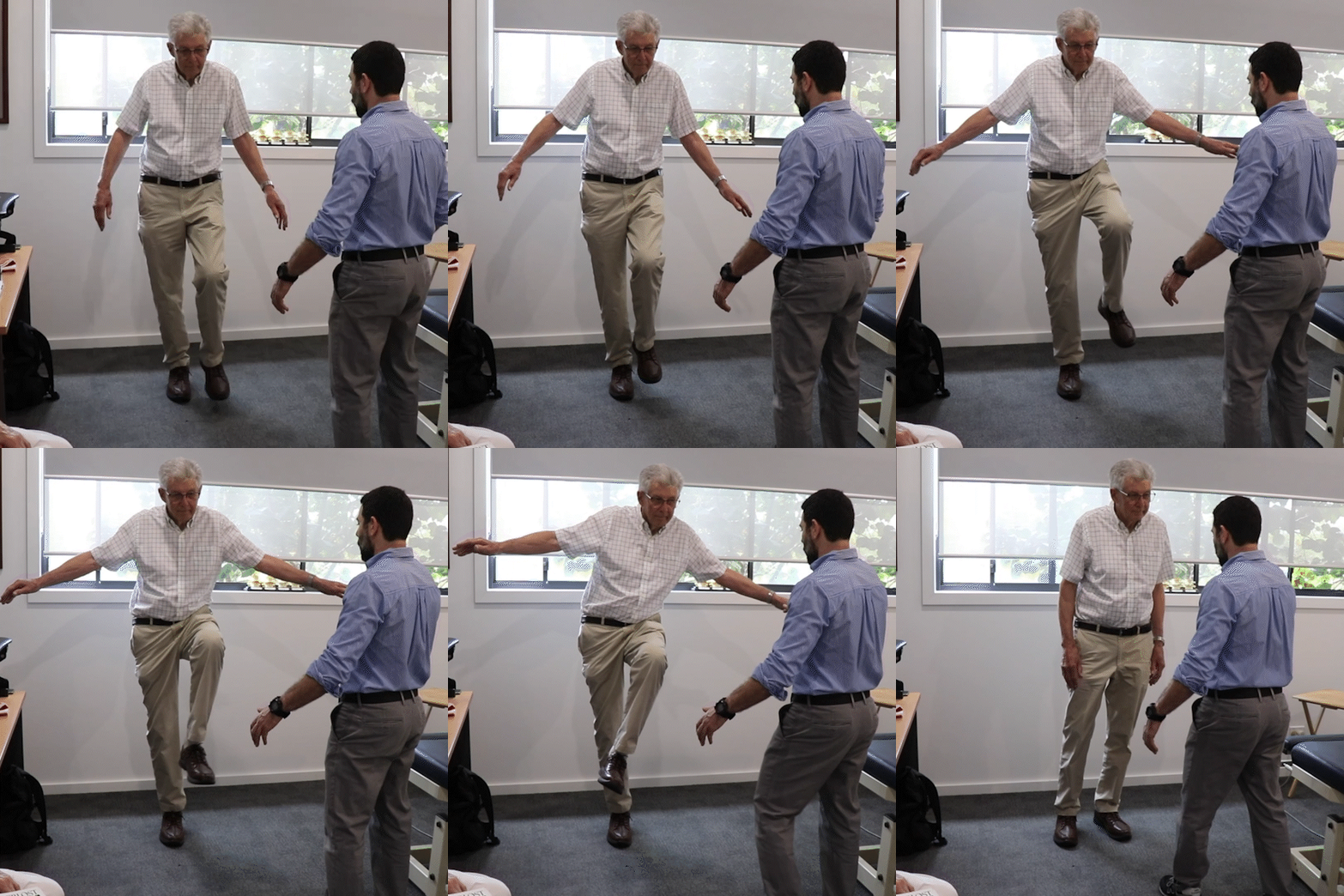
Vestibular rehabilitation (VR) aims to improve visuospatial function and general cognition in people with dementia.³ Structured exercises, such as gaze stabilisation, balance training and habituation techniques, help the brain adapt to the vestibular and sensory disruption often experienced as this condition progresses.
Neurocognitive training
Neurocognitive training challenges specific cognitive functions like memory, attention, and problem-solving. By repeatedly stimulating certain neural pathways with systematic mental exercises, it reinforces neural connections for more efficient communication. Ultimately, this may maintain overall brain health and cognitive function.
“With dementia now Australia’s leading cause of death, it’s more important than ever that we support healthy ageing and take early action where we can. While we can’t change the past, we can always support the brain’s capacity to adapt, strengthen and function better. There is genuine hope in knowing that even small steps toward better brain health can make a meaningful difference.” — Simon Atkin
Functional medicine
Bolster cognitive resilience by reducing the risk factors for dementia. Functional medicine uses individualised lifestyle and dietary strategies to aid neurological function, inflammation regulation and mental performance.
Optimise your diet, hormones, sleep and stress levels for long-term brain health. Our approach to functional medicine is guided by the 2024 Lancet Commission, which reports that up to 45% of cases may be prevented or delayed by addressing modifiable risk factors across a person’s lifetime.¹
These include biochemical, inflammatory, metabolic, and lifestyle mechanisms, from vascular dysfunction and hormonal imbalance to nutrient deficiencies and chronic work stress.
That’s why we delve deeper than your diagnosis to uncover every potential impact on brain and nervous system function. With a complete understanding of genetic, nutritional and environmental influences, we build a clinically informed plan that can strengthen cognitive resilience, maintain function and reduce future risk.
This may include a bespoke dietary plan and supplement protocols that nourish your brain and body. Our clinical nutrition methods harness food and targeted supplementation as therapeutic tools to help reduce inflammation⁴ and support neuropsychological function.⁵
Move beyond symptom management and address key contributors to cognitive decline with Chiropractic Plus.
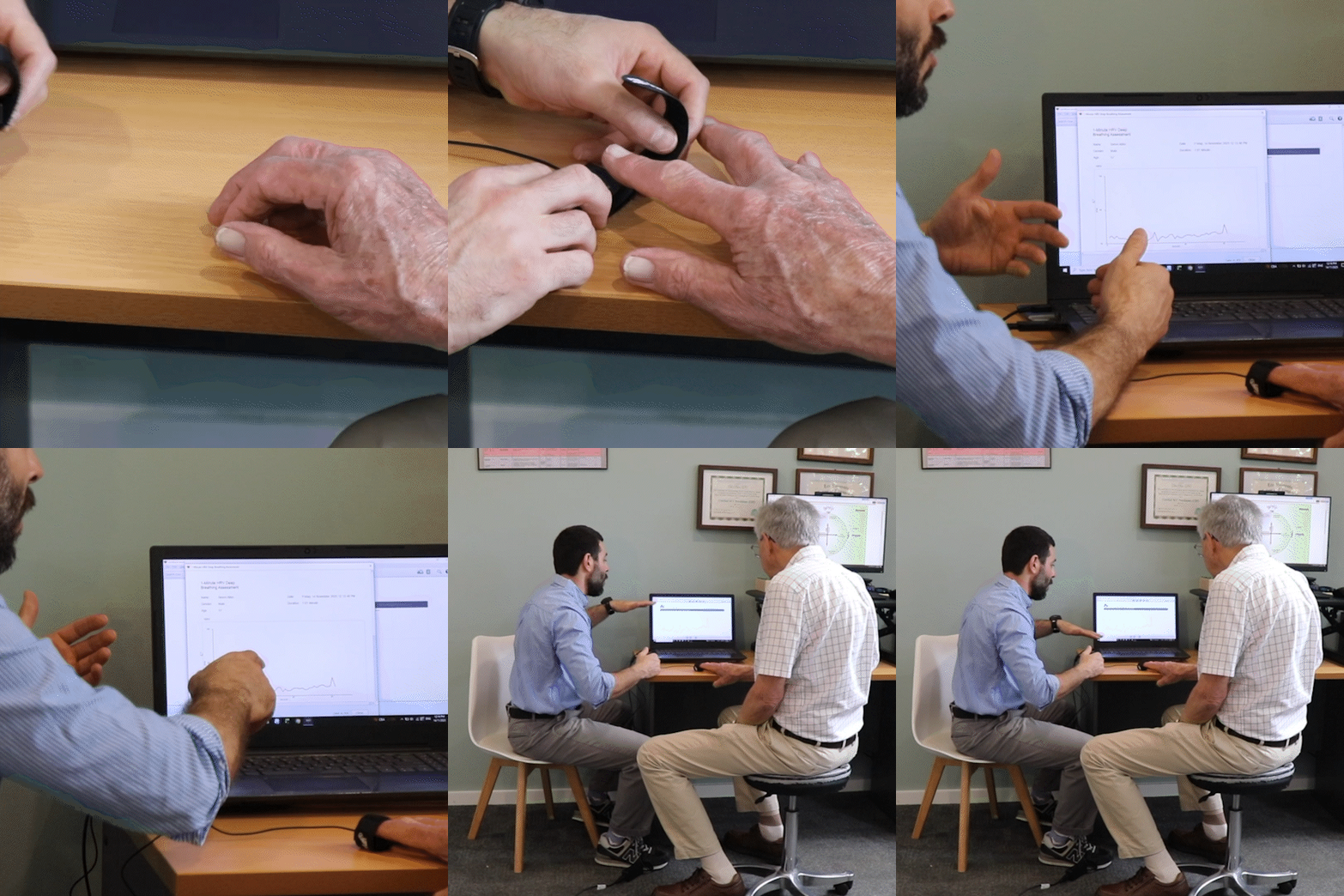
Functional medicine proactively manages a range of factors that play a role in the onset and perpetuation of dementia. Our personalised, full-picture approach includes:
Low-Level Laser Therapy (LLLT)
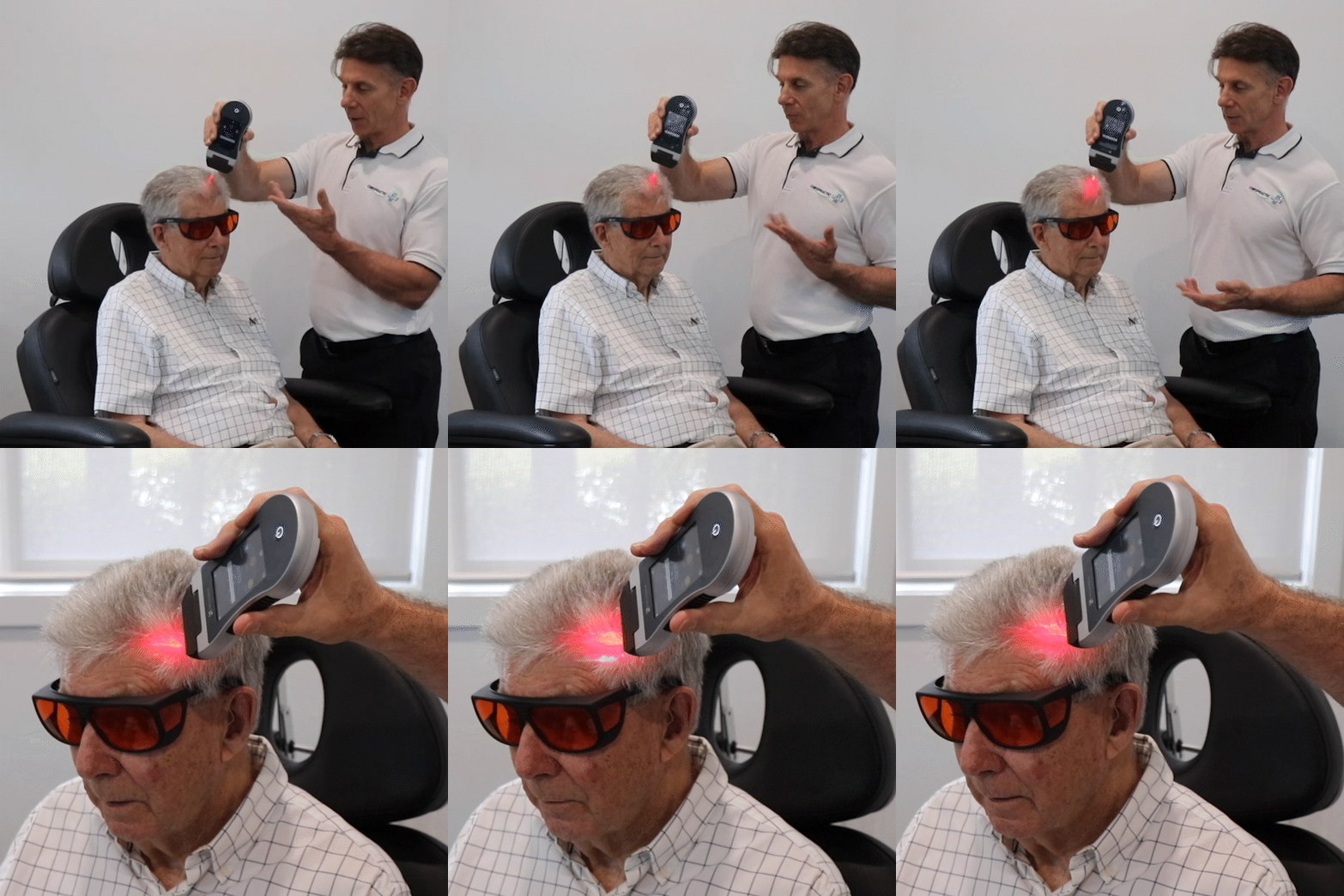
Promote healthy brain function with LLLT, also known as photobiomodulation. This non-invasive technique harnesses low-power red light to stimulate cellular activity and support neurological processes associated with cognitive impairment.
During LLLT for dementia, specific wavelengths of light are applied to targeted areas of the skull and absorbed by the underlying brain tissue.
Here, the light boosts mitochondrial activity such as energy production and nitric oxide release6, supporting blood flow, oxygen delivery and inflammatory regulation. By focusing on these underlying physiological conditions, laser therapy for dementia has been shown to enhance overall cognitive function.⁷
Experience the potential benefits of LLLT with a tailored rehabilitation program at Chiropractic Plus.
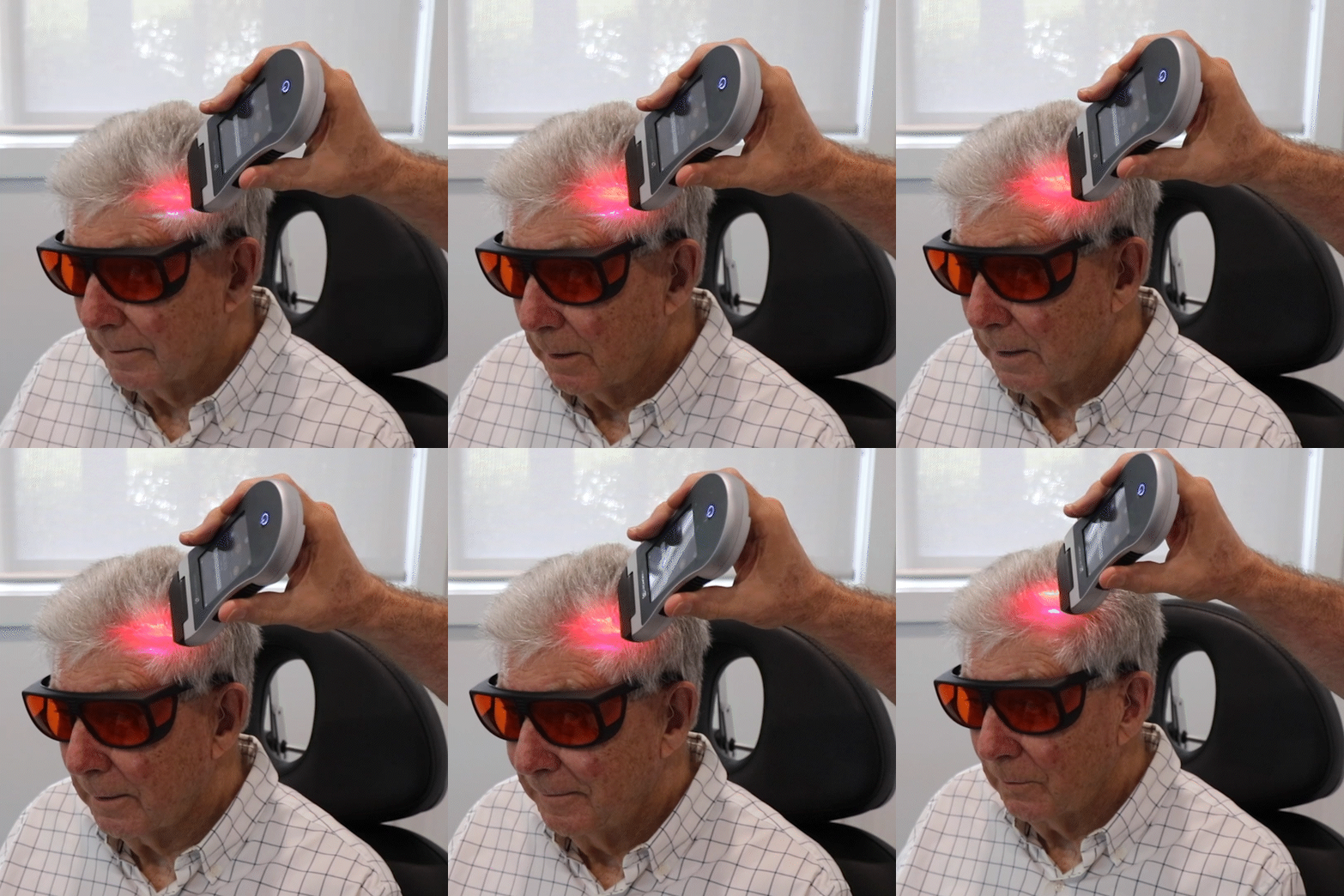
To deliver LLLT for dementia, we use the advanced Erchonia Red & Violet Laser (EVRL) device, the only one of its kind in Newcastle and the Hunter Valley. This precise, pain-free modality may be able to:
Strength training
Improve coordination, stability and everyday functioning with gentle, movement-based strategies. Strength training is a core part of our dementia rehabilitation therapy.
As we age, we lose muscle mass and strength. This process, known as sarcopenia, is common in people living with dementia.¹⁰ Unfortunately, sarcopenia can reduce mobility, increase the risk of falls and compromise quality of life.
Our integrated program helps counteract this physical decline through resistance exercises that enhance muscle strength and power¹¹, as well as agility and balance.¹² Together, these improvements make it easier and safer to perform daily tasks independently.
Research also indicates that resistance training can assist memory by protecting against atrophy.¹³ Strength-based exercise may protect brain health by helping to regulate inflammation and boost the production of natural growth factors that keep nerve cells healthy.¹⁴
To explore how physical exercise could support your mind and body within broader dementia rehabilitation therapy, talk to our team today.

At Chiropractic Plus, we integrate resistance training with cardiovascular, balance and coordination exercises to help improve a range of health issues related to dementia, including:
We take a whole-person approach to dementia rehabilitation. Support the many factors that impact physical, cognitive and social functioning with one dynamic, multidisciplinary program.

Cohesive care
Simplify therapy while strengthening progress. Our dedicated health professionals tie all aspects of cognitive enhancement together into a clear, coordinated and comprehensive program.
Instead of juggling multiple appointments, practitioners and mixed advice, you can enjoy peace of mind knowing every step is managed under our fully-integrated approach.

Personalised plans
Every experience of dementia is different, and every brain responds to therapy in its own way. That’s why our cognitive rehabilitation interventions are shaped around you.
First, our team will create an individualised plan that reflects your distinct starting point and goals. From there, we’ll continuously refine sessions as specific cognitive domains improve and needs change.

Evidence-based innovation
Neuroscience continues to evolve, and our program evolves with it. Each inclusion is informed by the latest research in dementia prevention, management and clinical technologies.
With synergistic therapies grounded in strong evidence and best practice standards, you can rest assured in the quality of your cognitive rehabilitation.

Cumulative progress
Our program focuses on strengthening neural connections and supporting brain-body function, week after week. Built on the principles of neuroplasticity, its therapies help the brain adapt through repeated, targeted cognitive stimulation.
With regular sessions, progress builds naturally over time. Ultimately, this can lead to greater stability, clearer routines and more meaningful connections.

Meet our team
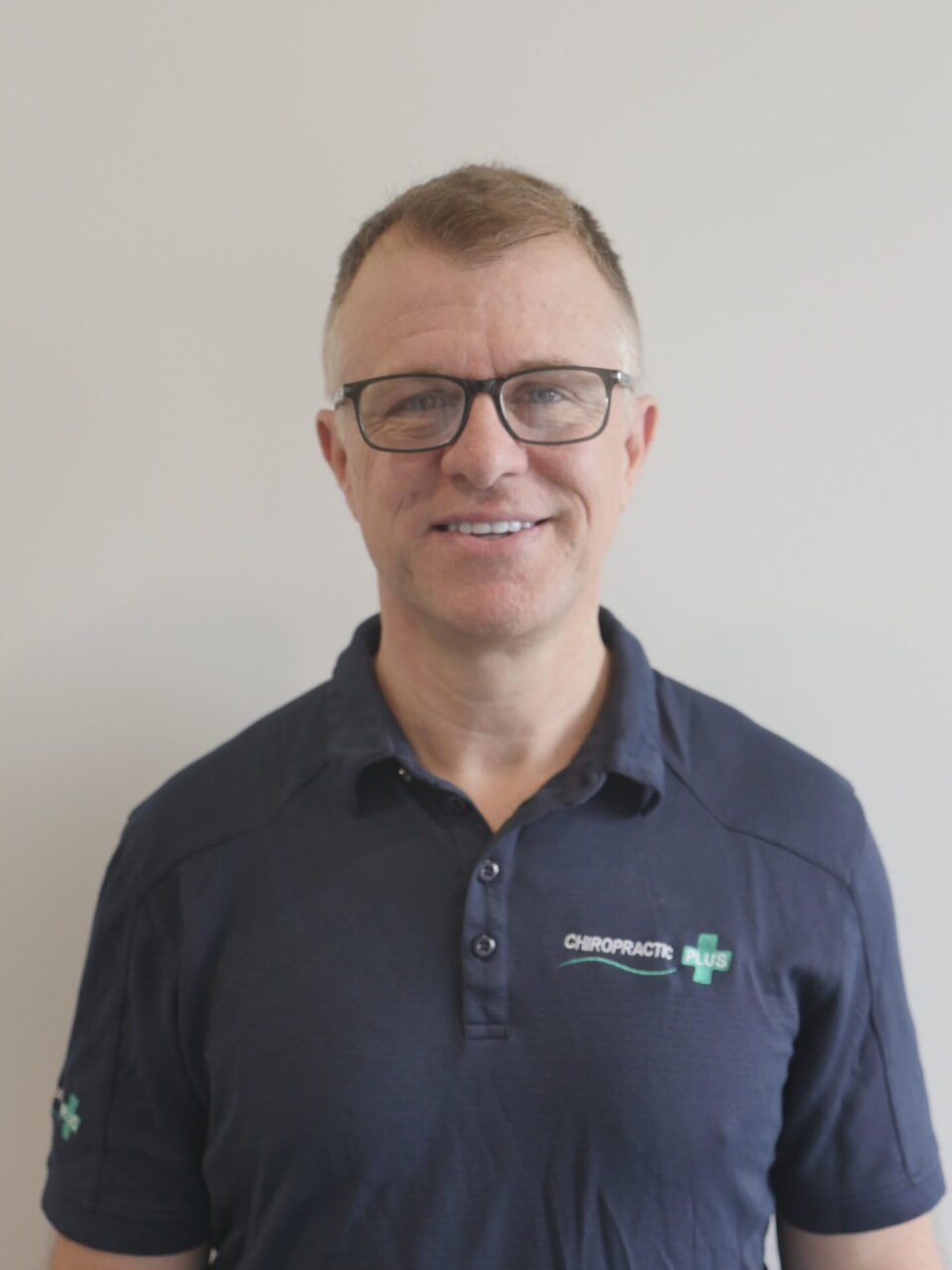
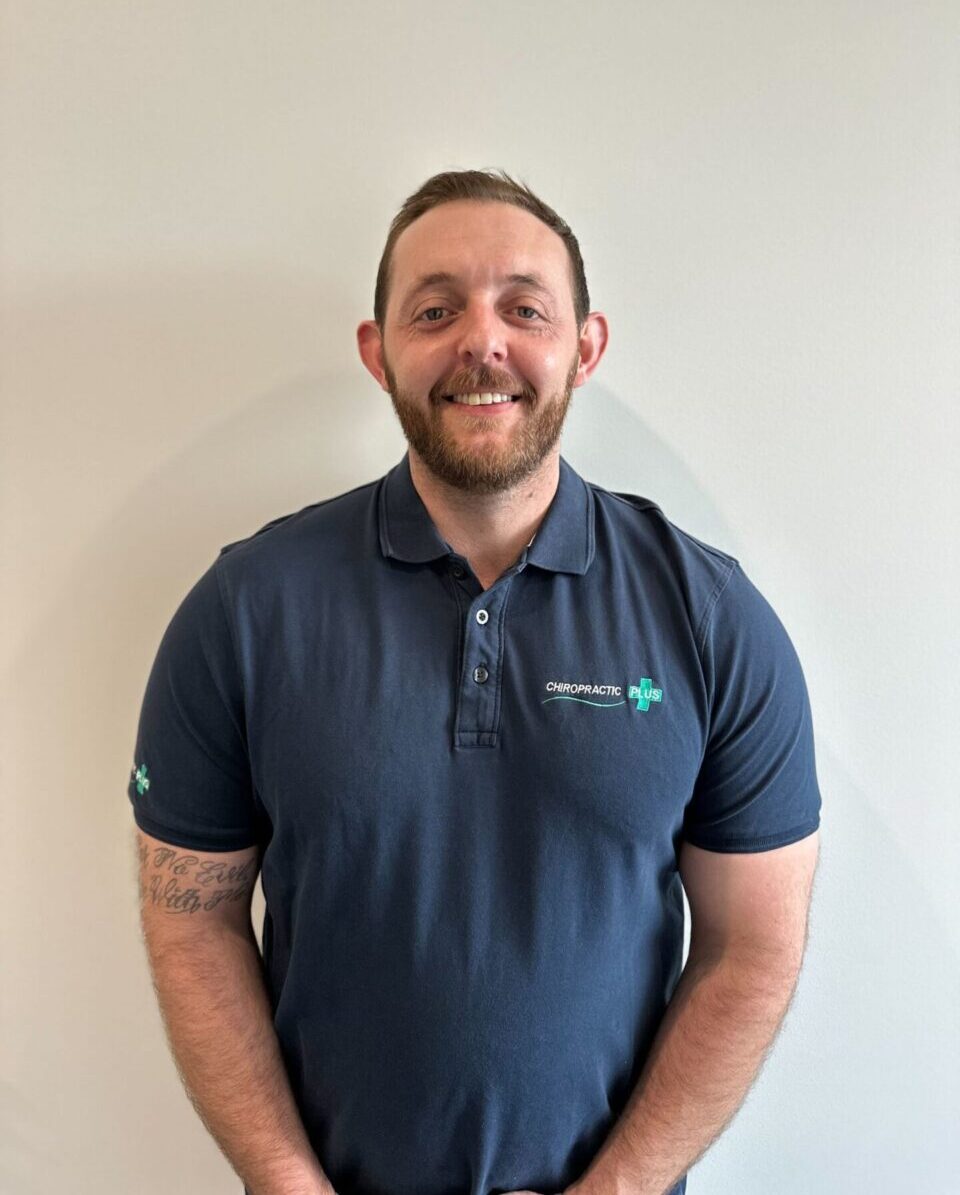
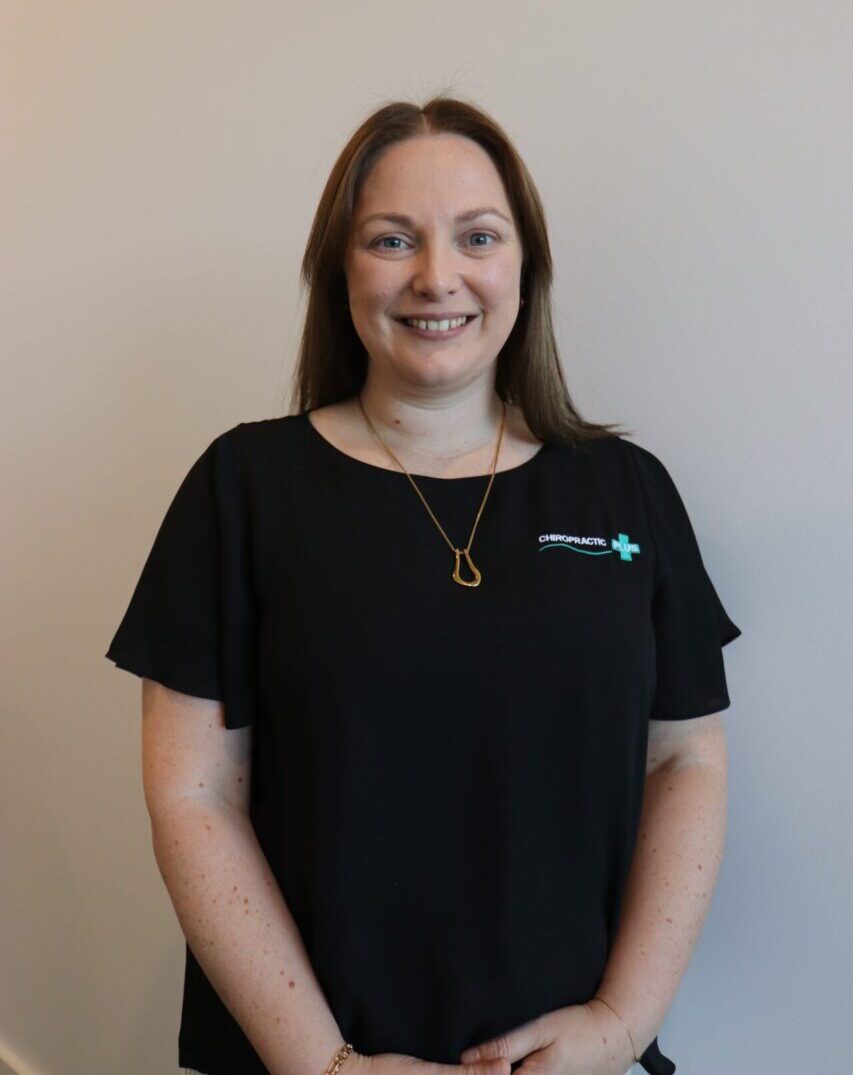
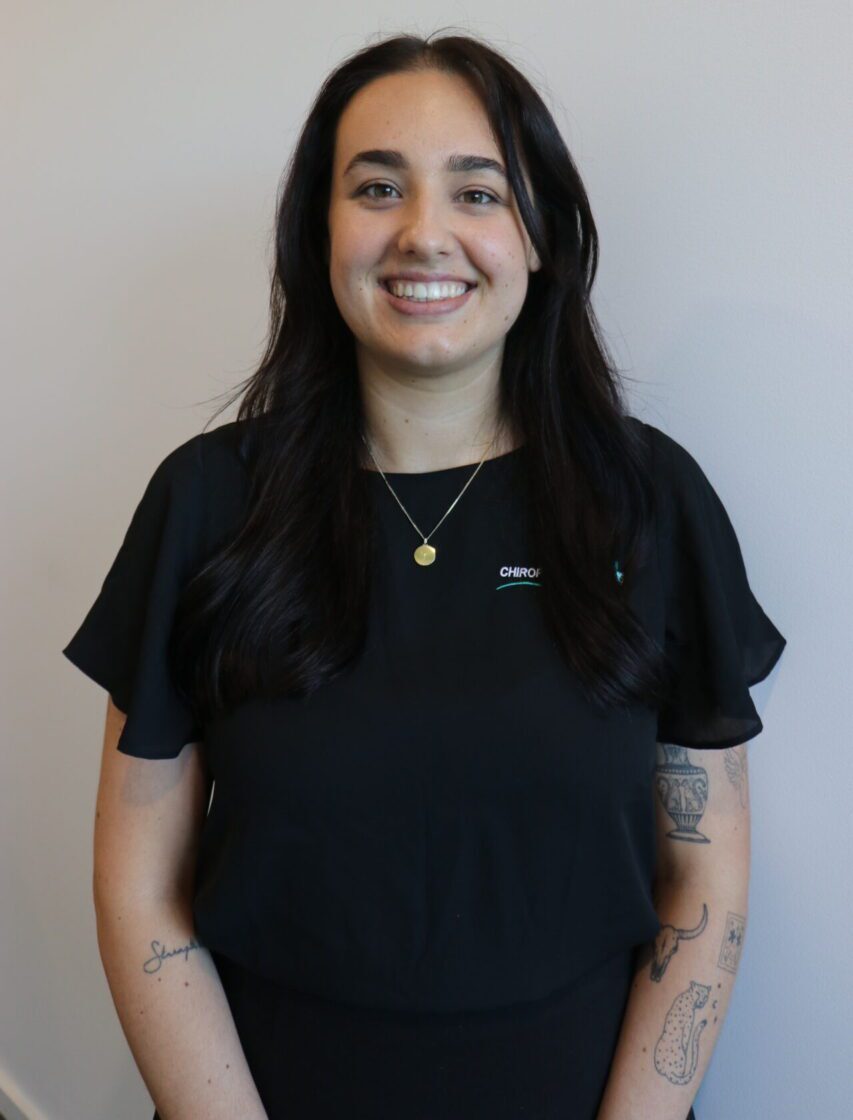
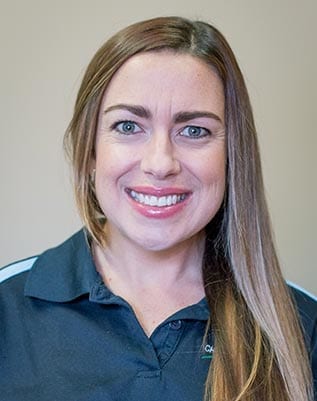
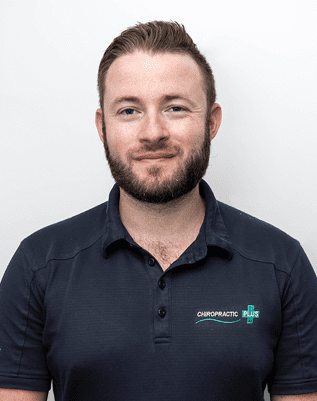
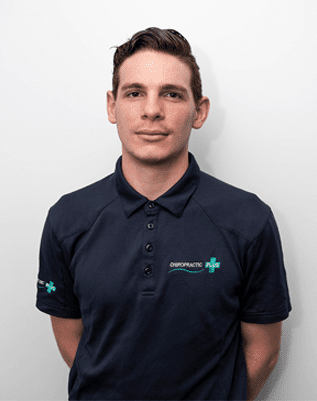
Meet our experienced and friendly cognitive rehabilitation therapists.


Dr Dov Pine
ChiropractorFrequently Asked Questions
Have questions about your next visit? We have you covered!
-
What is cognitive rehabilitation for dementia?
Cognitive rehabilitation for dementia is a structured, person-centred approach that supports individuals to maintain, strengthen and adapt their functional abilities as changes occur in the brain.
Instead of serving as a dementia treatment or cure, it focuses on improving cognitive functions like memory, attention, problem-solving, and communication, so that participants can complete daily tasks safely and confidently.
To achieve this, our cognitive rehabilitation therapy for dementia combines targeted cognitive exercises with personalised, functional strategies.
It also incorporates movement-based therapies like balance and strength training alongside nutritional guidance to enhance overall physical health.
In Australia, cognitive rehab is typically delivered by multidisciplinary healthcare teams and, when part of a wider care plan, helps people living with dementia stay active, connected and in control of daily life for longer.
-
Who is this program designed for?
Our program is designed for adults who want to protect, maintain or improve their cognitive skills, particularly those noticing changes in memory, concentration or mental clarity.
Clients include:
- People living with neurodegenerative conditions, such as Alzheimer’s disease and other forms of dementia, who want holistic support to manage symptoms and improve cognitive health.
- Individuals with early-stage cognitive decline or Mild Cognitive Impairment who want to slow its progression and potentially restore some cognitive function.
- Those at risk of cognitive impairment due to family history or contributing lifestyle factors like chronic stress, poor sleep, sedentary behaviour, poor nutrition, diabetes and hypertension.
- Older adults who want to take proactive steps to stay mentally sharp, healthy and independent as they age.
- People who haven’t received a formal diagnosis but are noticing subtle shifts, such as increased forgetfulness, mental fatigue, or reduced focus.
If you’re looking for holistic, preventative and individual cognitive therapies, contact us today. Our personalised approach is grounded in evidence-based practice and focused on long-term positive outcomes.
-
What symptoms can cognitive rehabilitation help with?
Our fully-integrated cognitive rehabilitation program supports clients presenting with a range of mental, emotional and physical symptoms that affect daily living.
The sooner you recognise and respond to these cognitive changes, the better. That’s because the brain has a greater capacity to adapt, strengthen and build resilience when cognitive difficulties are addressed early.
Common symptoms to be aware of include:
Mental symptoms
- Increasing forgetfulness, such as misplacing items, missing appointments or struggling to retain new information
- Difficulty concentrating or staying focused, often described as brain fog
- Slower mental processing and more laboured decision-making
- Word-finding problems or difficulty following conversations
- Reduced ability to plan, organise or solve problems that once felt routine
Emotional and behavioural symptoms
- Increased anxiety, low mood or irritability
- Feeling overwhelmed by previously manageable tasks
- Loss of confidence and social withdrawal
- Heightened stress levels and reduced emotional resilience
Physical symptoms
- Ongoing fatigue or low energy that limits daily activity
- Recurring headaches or migraines
- Dizziness, poor balance or feeling unsteady when walking
- Neck, back or joint stiffness and chronic pain
- Sleep problems, including insomnia and restless sleep
If any of these symptoms sound familiar, contact our team to book a Discovery Session. Together, we can determine whether this program aligns with your health goals and circumstances.
-
What underlying health conditions are associated with dementia?
Dementia is often linked to underlying health conditions that gradually affect the brain through poor circulation, ongoing inflammation, metabolic imbalance and disruption to the nervous system.
These include:
- Mild Cognitive Impairment: MCI involves impaired memory and thinking that go beyond what is expected with normal ageing. If these changes progress, they may develop into more serious cognitive decline and reduced independence.
- Neurodegenerative conditions: The early stages of Parkinson’s disease and other neurodegenerative disorders slowly damage brain cells and interfere with cognitive processing over time.
- Stroke or Traumatic Brain Injury (TBI): Disruption to blood flow or direct trauma to the brain can result in lasting changes in memory, concentration and reasoning, and increase the risk of dementia.
- Chronic inflammation: Ongoing inflammation in the body, including autoimmune conditions, can disrupt normal brain function and contribute to the gradual decline of cognitive abilities.
- Metabolic and cardiovascular disorders: Conditions like diabetes18, obesity, high blood pressure, and heart disease reduce oxygen and nutrient delivery to the brain, which are linked to cognitive deficits.
As many of the risk factors that contribute to the above conditions also play a role in dementia, the two often progress hand in hand.
This complex link highlights the importance of choosing a cognitive intervention that considers the whole body, rather than focusing on a single symptom in isolation.
-
Can this cognitive intervention help with advanced dementia?
Yes. While it may be most beneficial for people with mild to moderate dementia, our cognitive rehabilitation therapy is also suitable for advanced cases.
While advanced dementia may not be possible to reverse, structured intervention can help preserve dignity, reduce distress and support small but meaningful improvements in everyday life.
Rather than focusing on what has been lost, our cognitive rehabilitation approach will concentrate on what can still be supported and strengthened. Families may notice positive changes such as improved mood, increased engagement, more stable daily routines and greater confidence in caregiving.
During your Discovery Session, our team will take time to understand your loved one’s current abilities, challenges and overall wellbeing.
Together, we can set realistic, compassionate goals and determine whether this cognitive rehabilitation program is the right fit for your family.
Please note that participants must have the capacity to express a clear willingness to attend the program. -
Do I need to undergo any tests before starting cognitive training?
Yes. Clinical testing helps us identify underlying factors that could be affecting cognitive function, including circulation issues, inflammation or nutrient imbalances.
If you have had recent tests, such as blood work, brain MRI scans or metabolic and vascular health reports, we can use their results to inform our approach.
Otherwise, we may recommend certain tests to guide your personalised plan during the Discovery Session.
-
What happens in a typical session with your health professionals?
Each session is tailored to the individual, taking into account health history, current abilities, lifestyle factors and personal goals. Therefore, a typical session can involve a combination of modalities, including:
- Laser therapy to support cellular and neuronal function
- Functional neurological therapy to address imbalances and improve brain-body communication
- Brain training and cognitive stimulation exercises to optimise and retrain memory, focus and processing skills
- Neurocardiology rehabilitation, including HRV testing and heart-brain coherence training
- Nutritional guidance to address individual imbalances
- Chiropractic care to support posture, mobility and nervous system regulation
- Strength training and physical rehabilitation strategies to improve stability and coordination
Importantly, our sessions are purposeful and dynamic, with cognitive rehabilitation methods continuously adjusted with progress.
-
How is progress measured?
We conduct testing before, during and after the cognitive rehabilitation program, with systematic reviews every six weeks to measure progress and guide adjustments.
This progress tends to follow a predictable pattern, with improvements in balance and mobility often leading to greater activity levels, followed by enhanced cognitive function, mood, engagement and executive skills.
To assess these cognitive, neurological and physical changes, our team uses the following tools:
- Standardised neurocognitive testing (CNS Vital Signs): A peer-reviewed, FDA-registered computerised assessment that measures key cognitive domains including memory, attention, executive function, processing speed, cognitive flexibility, reaction time and motor speed. It is completed at the start, midpoint and end of the program.
- HRV and heart-brain coherence testing: Conducted at the start and then weekly to monitor nervous system regulation and stress response, which are markers of dementia.
- Neurological and physical examinations: Ongoing clinical reviews assessing balance, mobility, coordination and neurological function.
- Subjective questionnaires: Feedback from the patient and caregiver tracking changes in mood, clarity, energy, confidence and daily functioning.
This structured system sets clear milestones based on each patient’s baseline testing and history, allowing outcome measures to be monitored and celebrated over time.
-
How many sessions are needed?
There’s no one-size-fits-all number of sessions for creating real, lasting change in how each brain functions.
At Chiropractic Plus, our cognitive rehabilitation interventions centre around neuroplasticity. This natural process requires the right type of repetition delivered consistently over time, which is why the program is structured as a long-term, personalised plan.
It begins with a Discovery Session, followed by three in-clinic appointments per week as part of ongoing, structured care.
Overall progress is reviewed at the three-month mark. If you are responding well and meet the criteria, you may continue with the program to support further improvement and long-term stability.
-
How much does the Discovery Session cost at your clinical practice?
The Discovery Session costs $145.
During this collaborative discussion, our team will take the time to understand your full health history and assess the results of the CNS-VS testing to help us determine whether the initial 12-week cognitive rehabilitation program is appropriate for your needs.
We’ll explore your current challenges, outline the rehabilitative strategies most suited to your situation, and present a clear roadmap of recommended care with projected costs.
References
- Livingston, G., Gill, D., et al. (2024). Dementia prevention, intervention, and care: 2024 report of the Lancet Standing Commission. The Lancet, 404(10452), 572–628.
- Forte, G., Favieri, F., & Casagrande, M. (2019). Heart rate variability and cognitive function: A systematic review. Frontiers in Neuroscience, 13, 710. https://doi.org/10.3389/fnins.2019.00710
- Ribeiro Sr., M. B. N., Mancini, P. C., & Bicalho, M. A. C. (2023). Improvement of cognitive skills in elderly undergoing vestibular rehabilitation. Alzheimer’s & Dementia, 19(S18). https://doi.org/10.1002/alz.070908
- Szczechowiak, K., Diniz, B. S., & Leszek, J. (2019). Diet and Alzheimer’s dementia: Nutritional approach to modulate inflammation. Pharmacology Biochemistry and Behavior, 184, 172743. https://doi.org/10.1016/j.pbb.2019.172743
- Granero, R., & Guillazo-Blanch, G. (2025). Nutrition and dietary patterns: Effects on brain function. Nutrients, 17(7), 1169. https://doi.org/10.3390/nu17071169
- Hashmi, J. T., Huang, Y. Y., Osmani, B. Z., Sharma, S. K., Naeser, M. A., & Hamblin, M. R. (2010). Role of low-level laser therapy in neurorehabilitation. PM&R, 2(12 Suppl 2), S292–S305. https://doi.org/10.1016/j.pmrj.2010.10.013
- Luo, G., Zhang, J., Song, Z., Wang, Y., Wang, X., Qu, H., Wang, F., Liu, C., & Gao, F. (2023). Effectiveness of non-pharmacological therapies on cognitive function in patients with dementia: A network meta-analysis of randomized controlled trials. Frontiers in Aging Neuroscience, 15, 1131744. https://doi.org/10.3389/fnagi.2023.1131744
- Salehpour, F., Gholipour-Khalili, S., Farajdokht, F., Kamari, F., Walski, T., Hamblin, M. R., DiDuro, J. O., & Cassano, P. (2020). Therapeutic potential of intranasal photobiomodulation therapy for neurological and neuropsychiatric disorders: A narrative review. Reviews in Neuroscience, 31(3), 269–286. https://doi.org/10.1515/revneuro-2019-0063
- Zhang, Z., Shen, Q., Wu, X., Zhang, D., & Xing, D. (2020). Activation of PKA/SIRT1 signaling pathway by photobiomodulation therapy reduces Aβ levels in Alzheimer’s disease models. Aging Cell, 19(1), e13054. https://doi.org/10.1111/acel.13054
- Su, C., Zhang, S., Zheng, Q., Miao, J., & Guo, J. (2025). Prevalence and correlation of sarcopenia with Alzheimer’s disease: A systematic review and meta-analysis. PLOS ONE, 20(3), e0318920. https://doi.org/10.1371/journal.pone.0318920
- Lopez, P., Pinto, R., Radaelli, R., Rech, A., Grazioli, R., Izquierdo, M., et al. (2018). Benefits of resistance training in physically frail elderly: A systematic review. Aging Clinical and Experimental Research, 30, 889–899. https://doi.org/10.1007/s40520-017-0863-z
- Garuffi, M., Costa, J. L., Hernández, S. S., Vital, T. M., Stein, A. M., dos Santos, J. G., & Stella, F. (2013). Effects of resistance training on performance of activities of daily living in patients with Alzheimer’s disease. Geriatrics & Gerontology International, 13(2), 322–328. https://doi.org/10.1111/j.1447-0594.2012.00899.x
- Ribeiro, I. C., et al. (2025). Resistance training protects the hippocampus and precuneus against atrophy and benefits white matter integrity in older adults with mild cognitive impairment. GeroScience. https://doi.org/10.1007/s11357-024-01483-8
- Almeida, E., Ibrahim, H., Chitolina Schetinger, M., de Andrade, C., & Cardoso, A. (2022). Modulation of inflammatory mediators and microglial activation through physical exercise in Alzheimer’s and Parkinson’s diseases. Neurochemical Research, 47, 3221–3240. https://doi.org/10.1007/s11064-022-03713-x
- Teri, L., Gibbons, L. E., McCurry, S. M., Logsdon, R. G., Buchner, D. M., Barlow, W. E., et al. (2003). Exercise plus behavioural management in patients with Alzheimer disease: A randomized controlled trial. Journal of the American Medical Association, 290, 2015–2022. https://doi.org/10.1001/jama.290.15.2015
- Páez, A., Frimpong, E., Mograss, M., & Dang-Vu, T. T. (2024). The effectiveness of exercise interventions targeting sleep in older adults with cognitive impairment or Alzheimer’s disease: A systematic review and meta-analysis. Journal of Sleep Research, 33(6), e14189. https://doi.org/10.1111/jsr.14189
- Gordon, B. A., Benson, A. C., Bird, S. R., & Fraser, S. F. (2009). Resistance training improves metabolic health in type 2 diabetes: A systematic review. Diabetes Research and Clinical Practice, 83, 157–175.
- Cholerton, B., Baker, L. D., Montine, T. J., & Craft, S. (2016). Type 2 diabetes, cognition, and dementia in older adults: Toward a precision health approach. Diabetes Spectrum, 29(4), 210–219. https://doi.org/10.2337/ds16-0041
Disclaimer
The information provided about cognitive rehabilitation therapy is general in nature and is not intended to replace professional medical advice, diagnosis, or treatment. Results can vary between individuals, and outcomes are not guaranteed. If you have specific concerns about your condition or overall health, please consult a qualified healthcare professional before starting any new therapy.