Reduce stress and muscle tension with a relaxing massage experience
At Chiropractic Plus, our massage therapists are highly trained and experienced in relaxation massage, which is designed to reduce stress and tension within the body and the mind.
Our full-body relaxation massage in Newcastle is ideal for people who need a little help to unwind and de-stress. Stress can affect the body in many ways, causing muscles to become tense and painful.
Relaxation massage therapy will assist clients to ease muscle tension, relieve stress and achieve mind-body balance. This type of massage treatment is designed to alleviate fatigue, calm the nervous system, improve blood flow and facilitate deep relaxation.


Soothe your body and mind, naturally
Enjoy the serenity of a relaxing massage experience that tailors therapeutic techniques to your needs.
Book an appointment
Walk out of a relaxation massage feeling as light as a feather
Our relaxation massage therapists will work closely with you to design a treatment specific to your needs.
Some people respond well to a light, sensual massage, while others enjoy a slightly firmer touch to facilitate relaxation. Please feel comfortable letting your therapist know what feels good for you.
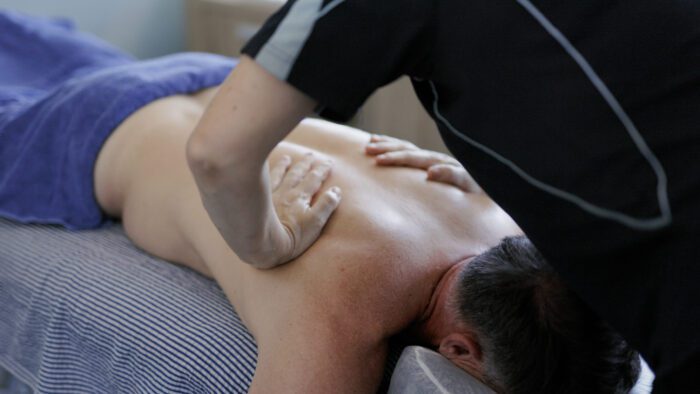
Experience the benefits of relaxation massage therapy
Pricing Options
Your massage treatment pricing guide
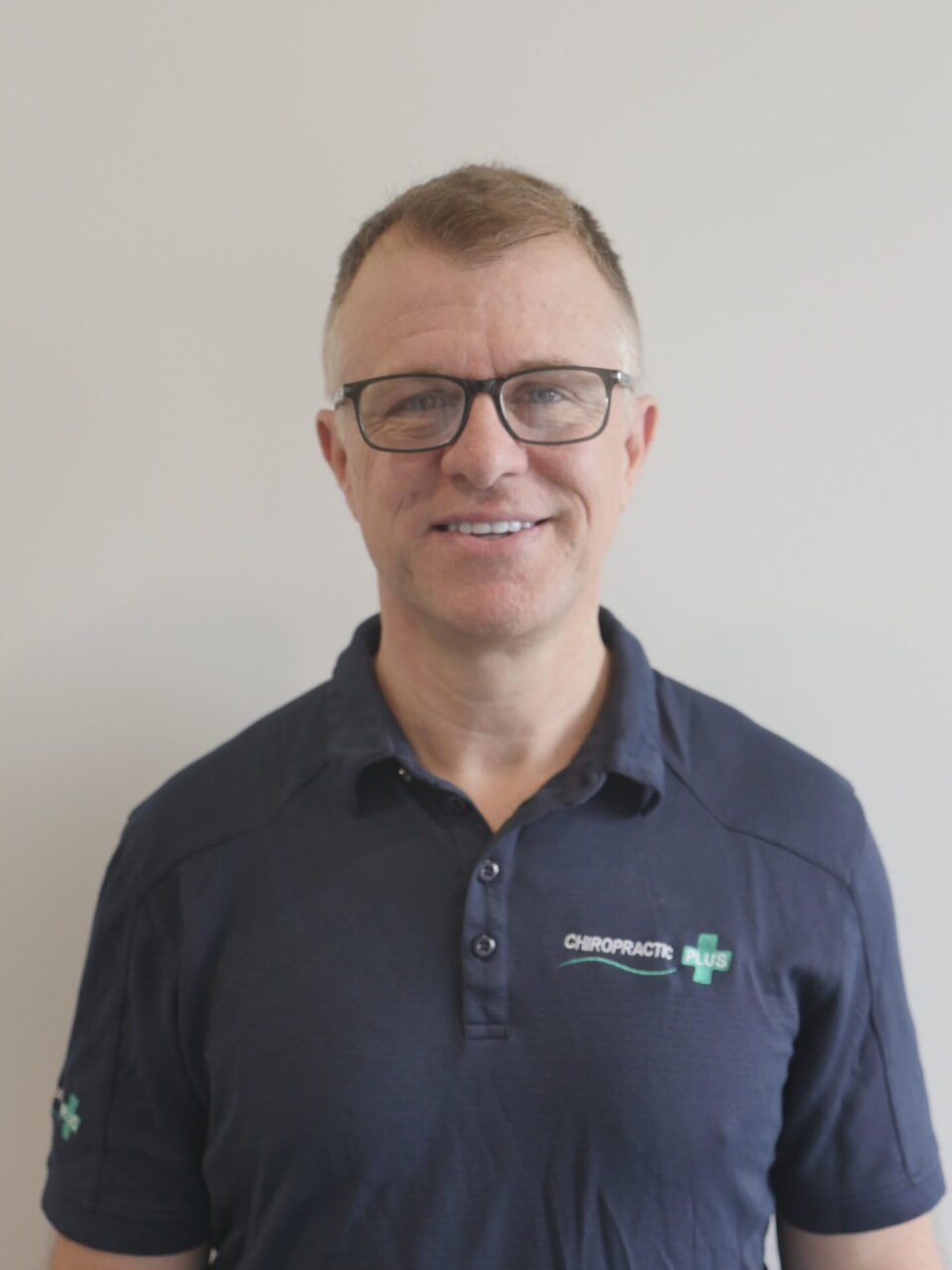
Our massage team
Meet our highly skilled and friendly relaxation massage therapists.


Naomi Deaves
Elite Remedial Massage Therapist
Kirralee Watton
Elite Remedial Massage Therapist
Kara Robb
Elite Remedial Massage Therapist
Lian Wang
ELITE REMEDIAL MASSAGE THERAPIST
Nick Ilievski
Elite Remedial Massage Therapist
Tyrone Hopkins
Elite Remedial Massage Therapist
Damien Shaw
Senior Remedial Massage Therapist
Tom Hamilton
Senior Remedial Massage Therapist
Jackson Manahan
Senior Remedial Massage Therapist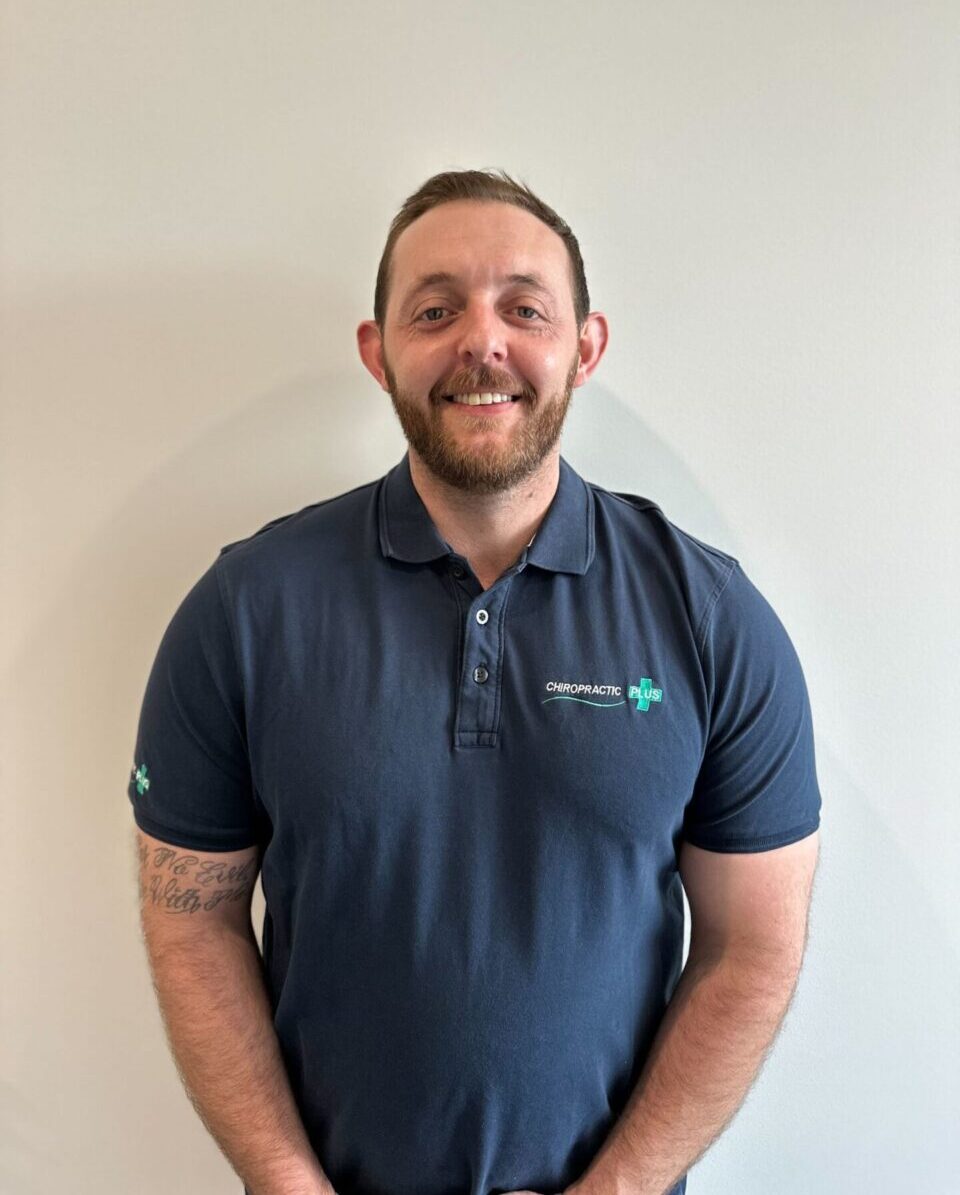
Matt Jones
Senior Remedial Massage TherapistFrequently Asked Questions
Have questions about your next visit? We have you covered!
-
What is a relaxation massage?
A relaxation massage is a gentle treatment designed to help you slow down, switch off, and reset both physically and mentally.
This ultimate self-care treat focuses on calming the nervous system, easing tense muscles, and supporting overall wellness rather than targeting specific injuries or problem areas.
To achieve this, the massage uses long, flowing strokes, light kneading, and smooth circular movements applied to the surface layers of muscle. Some therapists may also include gentle techniques such as light tapping, vibration, or subtle stretching.
Essential oils or lotions are used to help the hands glide comfortably over the skin, creating a continuous and soothing rhythm.
Importantly, it is a passive treatment, meaning you can fully rest without being stretched or repositioned.
Relaxation massage is typically performed in a quiet, calming environment with soft lighting, music, and sometimes aromatherapy.
-
How does a relaxation massage differ from a deep tissue massage?
Relaxation massage and deep tissue massage differ in their pressure and purpose.
A relaxation massage uses light to moderate pressure and focuses on soothing the body, improving circulation, and reducing stress. The masseuse’s movements are smooth, rhythmic, and flowing, working mainly on the outer layers of muscle as your body relaxes.
Deep tissue massage, by comparison, uses firmer, more targeted pressure to reach deeper muscle layers and connective tissue. It is often chosen to address chronic muscle tension, stiffness, or pain. Techniques are slower and more focused, and may involve elbows, forearms, or knuckles.
If your goal is to unwind, de-stress, and enjoy a calming experience, a relaxing massage may be the most appropriate option.
-
What is the difference between a relaxation massage and a remedial massage?
A relaxation massage is designed to reduce stress, calm the mind, and promote general well-being, whereas a remedial massage focuses on specific muscle problems, pain, or injuries through manual manipulation with deeper and firmer pressure.
If you are looking to rest and recharge, a relaxation massage is ideal. If you need to relieve pain, support healing from an injury, or address restricted movement, a remedial massage may be more suitable.
-
Can anyone get a relaxation massage?
Most people can enjoy this relaxing massage, but there are situations where a session may need to be adjusted or postponed.
Always let your therapist know in advance if you:
- are pregnant or think you may be
- have any medical conditions or are taking medication
- have had a recent injury or operation
- have allergies, especially skin sensitivities
- have broken skin, rashes, or sores
Sharing this information allows your therapist to tailor the relaxation massage and choose suitable techniques and aromatherapy oils for your needs.
-
How do I prepare for a relaxation massage?
Preparing for a relaxation massage is simple and helps you get the most out of your session. Follow these steps to get ready for your appointment:
- Take a moment beforehand to notice any areas of tension or discomfort so you can mention them to your therapist.
- Drink plenty of water beforehand, as water supports circulation and helps your body respond positively to massage.
- Avoid heavy meals and alcohol before your appointment, as both can affect how comfortable you feel during the session.
- Practice controlled, deep breathing to help clear your mind and unwind.
- Wear comfortable clothing and arrive a little early to help you settle in, relax, and fully enjoy the experience.
-
Will I notice changes after a relaxation massage?
Relaxation massage tends to have a calming effect, with many people feeling more peaceful and lighter immediately after. You may notice improved mood, easier movement, and better sleep on the same day.
For others, the benefits build gradually over time, especially with regular relaxation massages.
-
How much does a relaxation massage cost?
The cost of a relaxation massage depends on the length of the session and the type of treatment provided. Shorter sessions are ideal for targeted relaxation, while longer appointments allow for a full body experience.
At Chiropractic Plus, relaxation massage is affordably priced, with 30-minute sessions and longer options available.
gift vouchers
Why not give someone you care about some “time out” with a gift voucher for a Massage or Cryo Facial? Starting from $76.
New Lambton
(02) 4957 0207
Order Online
Warners Bay
(02) 4947 3661
Disclaimer
The information provided about massage therapy is general in nature and is not intended to replace professional medical advice, diagnosis, or treatment. Results can vary between individuals, and outcomes are not guaranteed. If you have specific concerns about your condition or overall health, please consult a qualified healthcare professional before starting any new therapy.
References
- Lindgren, L., Rundgren, S., Winsö, O., Lehtipalo, S., Wiklund, U., Karlsson, M., Stenlund, H., Jacobsson, C. and Brulin, C. (2010) ‘Physiological responses to touch massage in healthy volunteers’, Autonomic Neuroscience, 158(1–2), pp. 105–110. https://doi.org/10.1016/j.autneu.2010.06.011
- Rapaport, M.H., Schettler, P. and Breese, C. (2010) ‘A preliminary study of the effects of a single session of Swedish massage on hypothalamic–pituitary–adrenal and immune function in normal individuals’, Journal of Alternative and Complementary Medicine, 16(10), pp. 1079–1088. https://doi.org/10.1089/acm.2009.0634
- Mori, H., Ohsawa, H., Tanaka, T.H., Taniwaki, E., Leisman, G. and Nishijo, K. (2004) ‘Effect of massage on blood flow and muscle fatigue following isometric lumbar exercise’, Medical Science Monitor, 10(5), pp. CR173–CR178.
- Ntoumas, I., Karatzaferi, C., Giannaki, C.D., Papanikolaou, F., Pappas, A., Dardiotis, E. and Sakkas, G.K. (2025) ‘The impact of relaxation massage prior to bedtime on sleep quality and quantity in people with symptoms of chronic insomnia: A home-based sleep study’, Healthcare, 13(2), p. 180. https://doi.org/10.3390/healthcare13020180
- Aourell, M., Skoog, M. and Carleson, J. (2005) ‘Effects of Swedish massage on blood pressure’, Complementary Therapies in Clinical Practice, 11(4), pp. 242–246. https://doi.org/10.1016/j.ctcp.2005.02.008